
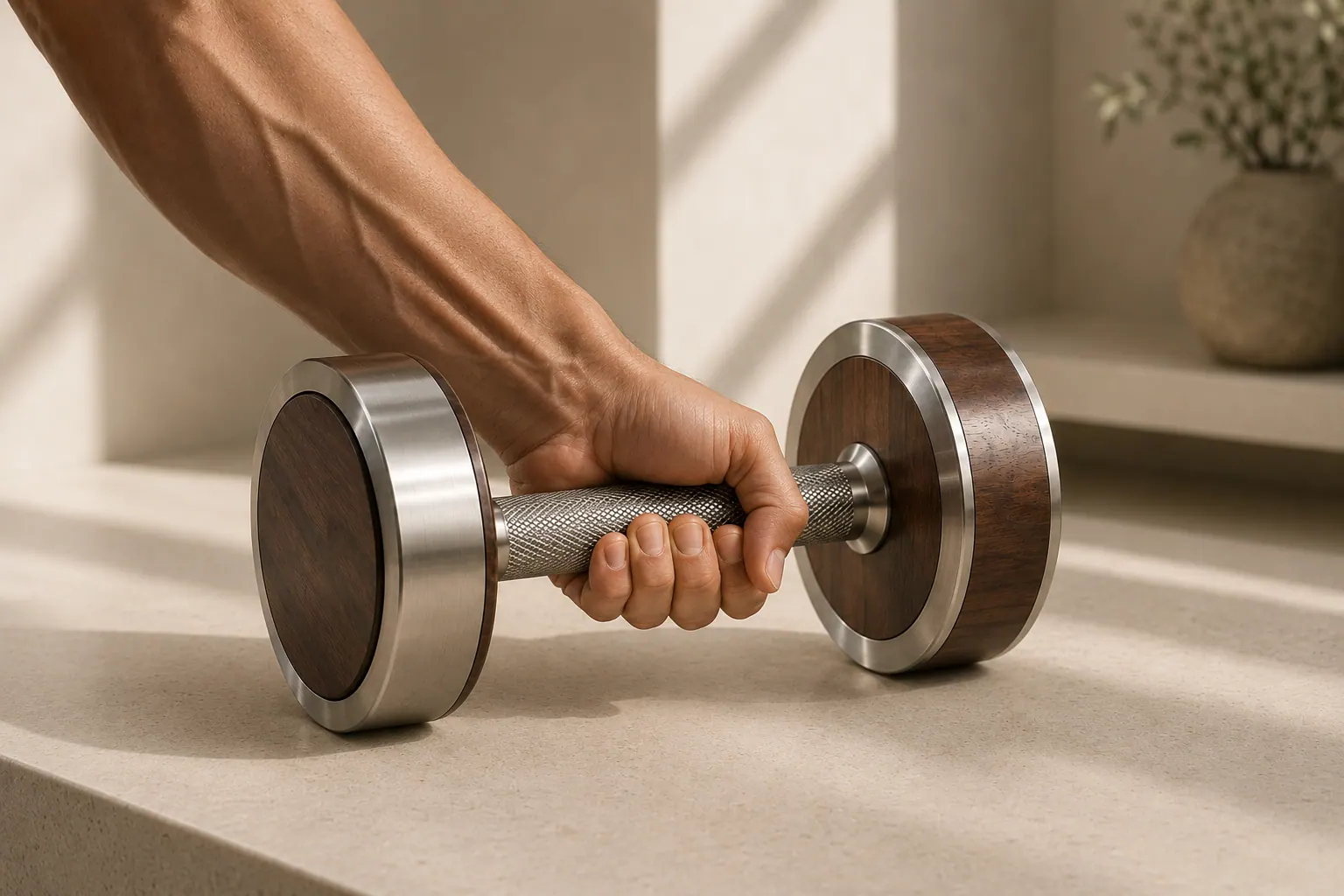
The research is unambiguous
In 2015, The Lancet published one of the largest studies ever conducted on grip strength — the PURE study, spanning 140,000 adults across 17 countries. The finding was striking: every 5 kg decrease in grip strength was associated with a 17 percent increase in cardiovascular mortality and a 16 percent increase in all-cause mortality. Grip strength was a stronger predictor of death than systolic blood pressure.
This was not an outlier. A 2018 meta-analysis in the British Medical Journal confirmed the association across 42 prospective studies. Weaker grip consistently predicted higher rates of heart disease, respiratory illness, cancer mortality and hospitalisation. The pattern held regardless of age, sex, body mass or country of origin.
"Grip strength is emerging as an indispensable biomarker in older adults — a simple, reliable and inexpensive measure of overall health."
The cardiovascular connection
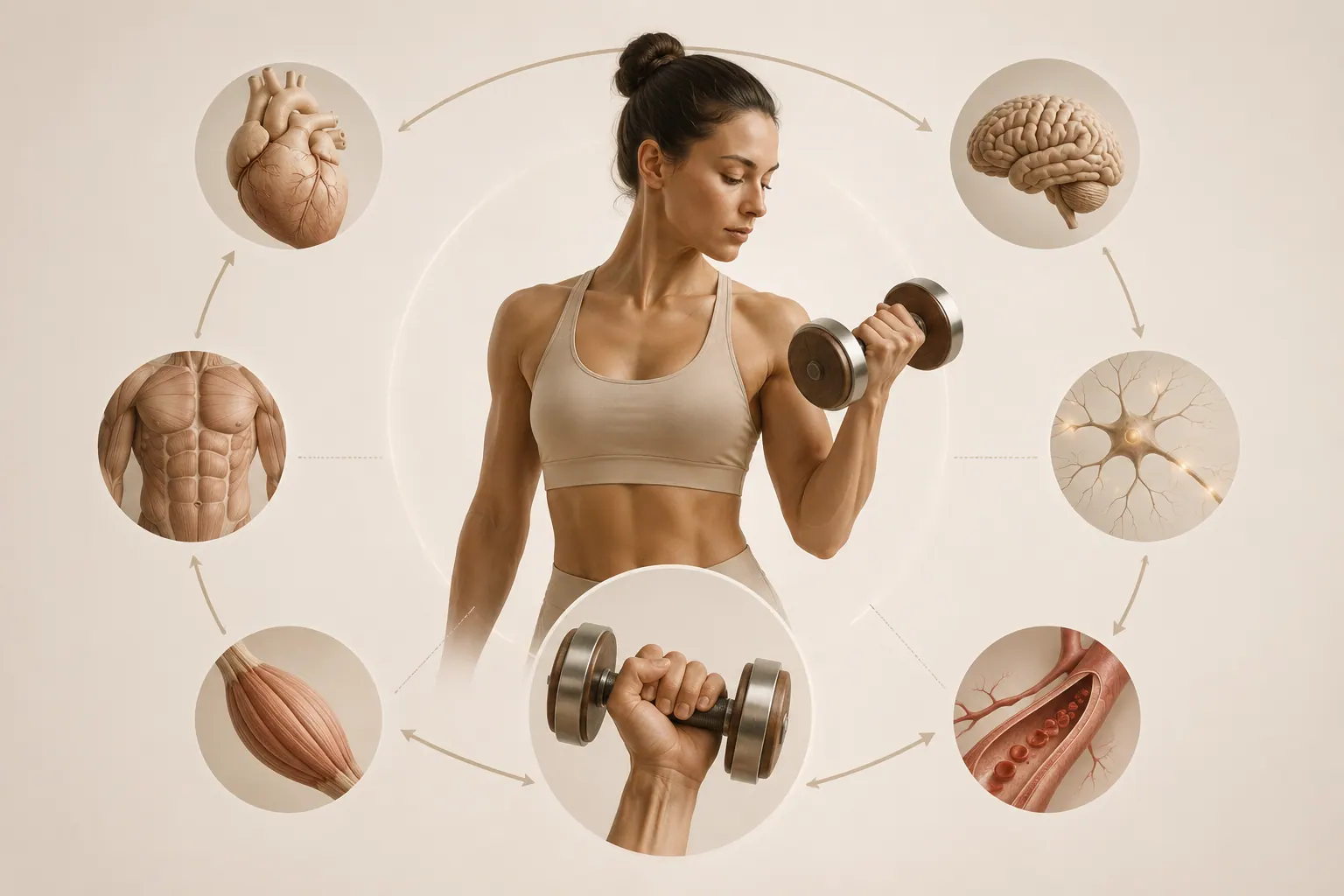
Why would hand strength predict heart health? Because grip is not really about the hands. It is a proxy for total body musculature, neuromuscular function and physiological reserve. People with strong grip strength tend to have greater lean mass, better vascular function and more robust autonomic regulation — the nervous system processes that govern heart rate, blood pressure and stress response.
Skeletal muscle is also an endocrine organ. When you contract muscles under load, they release myokines — signalling molecules that reduce inflammation, improve insulin sensitivity and support cardiovascular function. Grip strength, in this sense, is not just a measurement. It is a window into the body's systemic health.
Cognitive decline: the unexpected link
Perhaps the most surprising finding in the grip literature is its association with cognitive function. A 2022 study published in JAMA Network Open, using UK Biobank data from over 190,000 participants, found that lower grip strength was significantly associated with faster cognitive decline and higher dementia risk.
The mechanism is likely multifactorial. Physical frailty and cognitive decline share common pathways: chronic inflammation, reduced blood flow, hormonal changes and diminished neural plasticity. Maintaining muscle strength — particularly through resistance training — appears to protect both the body and the brain. Grip strength may be the easiest way to track whether that protection is holding.
"If I could only measure one thing to predict someone's health trajectory, it would be grip strength."
How to test it
A hand dynamometer is a simple device that measures the maximum force you can produce with a single hand squeeze. Clinical-grade versions are used in hospitals and research settings, but affordable digital models exist for home use. The test takes seconds: squeeze as hard as you can, three times per hand, and record the highest reading.
For men, a grip below 30 kg is generally considered weak in clinical research. For women, the threshold is around 20 kg. But the absolute number matters less than the trend. Track it quarterly. If it is declining, your training needs to change. If it is stable or rising, something is working.
Building grip: functional training that works
Dead hangs are one of the simplest and most effective grip builders. Find a bar or ledge, hang with straight arms and hold for as long as possible. Start with 20 to 30 seconds and build toward two minutes. Dead hangs also decompress the spine, open the shoulders and improve scapular stability — a cascade of benefits from a single static hold.
Farmer carries involve picking up a heavy weight in each hand and walking with it. They train grip endurance, core stability, shoulder health and total-body coordination. Two dumbbells and a corridor are all you need. Walk for 30 to 60 seconds per set. The still—room Sculpted Weights, available in 2 to 8 kg pairs, are designed for exactly this kind of functional hotel-room training — heavy enough to build strength, beautiful enough to leave on the shelf.
Sculpted weight exercises — goblet squats, single-arm rows, overhead presses — all demand grip as a secondary mover. Every time you hold a weight, you train grip. The key is to choose exercises where grip is a limiting factor and to avoid straps or gloves that reduce the demand on your hands. Let the hands work. They are telling you something about the rest of your body.
"Your grip is a mirror. What it reflects is everything else."